Areas served
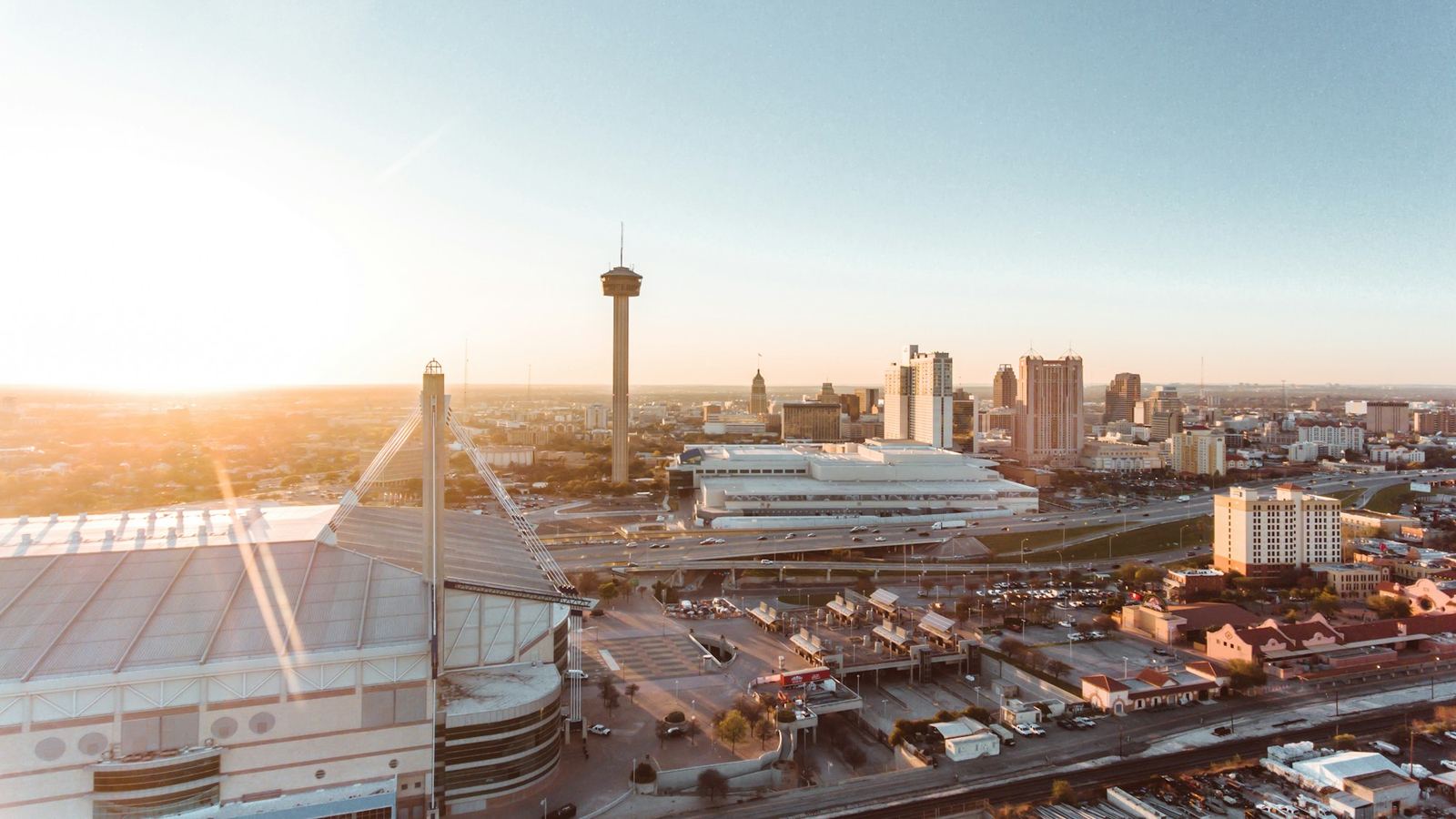
Serving 6 areas across Greater San Antonio
You won’t be renting in ‘San Antonio’ so much as on one side of it. Each page below briefs a side: the stock, the commute math, and the catch.
Free to renters — communities pay our fee. Licensed locators. Orientation first, listings second.
Districts
Pearl & Southtown
5 min away
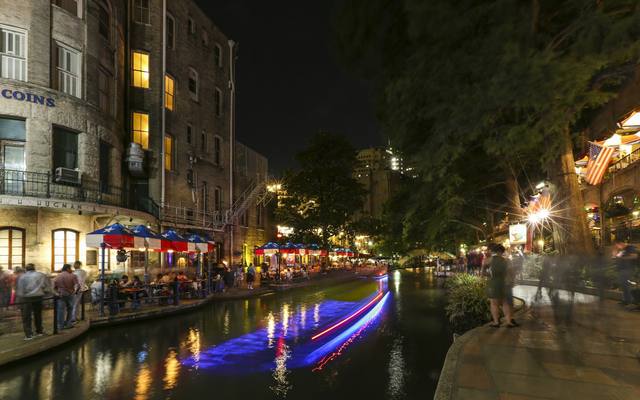
This is the San Antonio that transplants from walkable cities are hoping exists, and it does — just in a narrow band. North of downtown, the Pearl stacks apartments over a food hall in a former brewery, with a weekend farmers market and the Museum Reach stretch of the River Walk running right past the patios. South of downtown, Southtown trades polish for character: the First Friday art walk, galleries around the Blue Star complex, and the King William historic district a block off the taco line. Walk Score rates the downtown core in the high 70s to 80s, which by Texas standards is genuinely rare air. The catch we brief every newcomer on: the buried cost. High-rise and Pearl-adjacent buildings routinely add amenity packages, valet trash, and garage parking on top of an already-premium base rent, so the true monthly number needs itemizing before you fall for the view. If your evenings mean walking somewhere, this band is worth the premium; if they don’t, you’re paying for someone else’s lifestyle.

Near East Side
5 min away
Minutes east of downtown, Dignowity Hill and the surrounding near East Side hold the historic fabric newcomers assume Texas doesn’t have: Victorian and craftsman houses on brick streets, the iron truss of the Hays Street Bridge — a pedestrian span with one of the best skyline views in the city — and the old rail-era warehouses around St. Paul Square. Rentals here skew small-scale: renovated historic houses, duplexes and fourplexes, and small new infill buildings rather than 300-unit complexes, which means more character per dollar and fewer amenity fees, but also fewer units to choose from at any given moment. The trade-offs are the honest kind that come with pre-war stock — pier-and-beam floors that creak, window units or retrofit HVAC in some houses, laundry hookups instead of in-unit machines, insulation from another century. For a newcomer who wants downtown proximity without high-rise pricing and would rather have a porch than a pool deck, this is the most interesting five minutes in the city.
Corridors
Far North & the 281 Corridor
25 min away
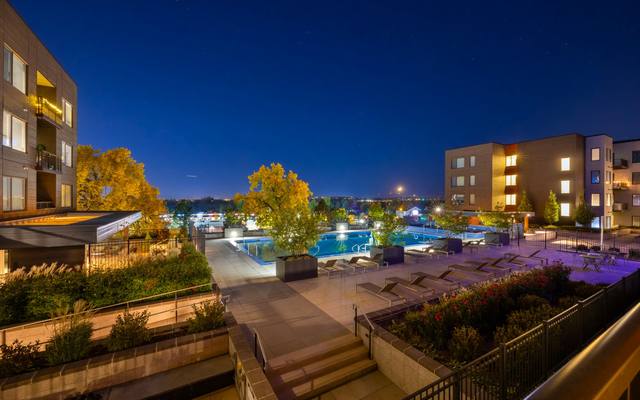
Run US-281 north past Loop 1604 and you hit the metro’s biggest concentration of newer suburban apartment stock — garden communities and mid-rises built in the last decade or so, wrapped around Stone Oak-tier retail, an H-E-B every few exits, and a cluster of hospitals off the parkway. Units here are typically newer, larger, and better-equipped per dollar than the urban core, and the hill country terrain means some communities actually have a view. The honest brief is the commute: the 281/1604 interchange is one of the metro’s pressure points, and rush hour can add 15 to 25 minutes to a downtown run, turning a nominal 25-minute drive into most of an hour. We recommend this corridor without hesitation to newcomers whose work is on the North Side or fully remote — and we talk almost everyone with a daily downtown or South Side commute out of it, because that drive is the tax you pay on the square footage.

Northwest Side (I-10 Corridor)
20 min away
The northwest wedge along I-10 is San Antonio’s practical middle: not the walkable core, not the far-flung frontier, but the triangle framed by three of the city’s biggest daily destinations — the UTSA main campus, the USAA headquarters, and the South Texas Medical Center. If your job or program is at any of those three, this is usually the shortest answer to the whole search. The apartment stock spans decades, which is the corridor’s quiet advantage: 1980s garden communities with trees the new suburbs won’t have for thirty years sit a few exits from brand-new mid-rises near La Cantera and The Rim, so one budget gets real choices. Weekend life orbits the two shopping centers, Six Flags Fiesta Texas, and the Leon Creek Greenway trail system threading under the highways. Know the one traffic quirk before you tour: the De Zavala and I-10 crossing backs up hard at peak, and which side of it you live on changes your daily reality more than any amenity list.
Suburbs
Alamo Ranch & the Far West Side
25 min away
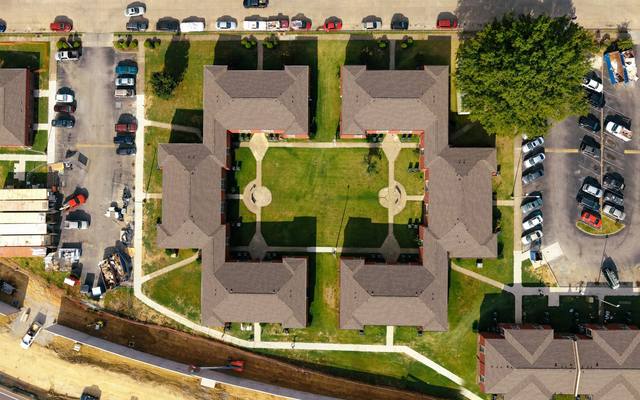
The far West Side around SH-151 and Loop 1604 is the metro’s new-build value frontier — the place where a coastal rent buys the most recent construction and the most square footage of any quadrant in this guide, in communities young enough that the appliances still smell new. Alamo Ranch Parkway runs a seemingly endless strip of retail, and Government Canyon State Natural Area sits improbably close, keeping actual hill country within a Saturday-morning drive of the newest apartments in town. The Westover Hills employer campuses are minutes away, which is why so many of the corridor’s renters commute inward against traffic. Two quirks to plan around: SeaWorld sits right on 151, so summer weekends and holiday evenings bring theme-park traffic surges you learn to schedule around, and the distances here are honest car distances — nothing about this quadrant pretends to be walkable. For remote workers and space-maximizers, though, this is frequently where the math wins.
Schertz, Universal City & the I-35 Northeast
25 min away
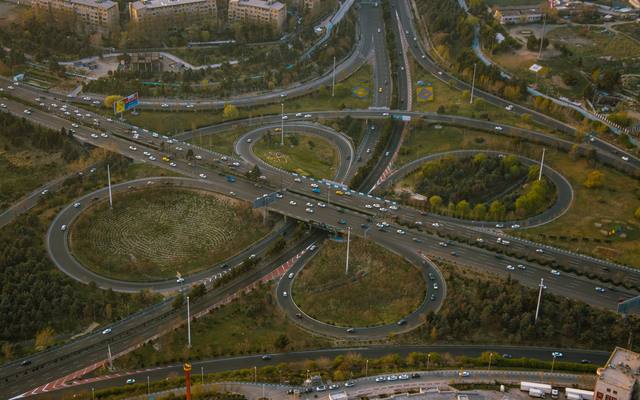
The northeast belt along I-35 and FM 78 — Schertz, Universal City, Converse, Live Oak, Selma — is a chain of small incorporated cities with their own city halls, utility billing, and speed traps, which surprises newcomers who assume it’s all one San Antonio. Joint Base San Antonio–Randolph anchors the corridor’s daily rhythm, and the retail center of gravity is The Forum at Olympia Parkway, one of the biggest open-air shopping stretches in the region. Apartment stock runs garden-style communities plus a fast-growing crop of build-to-rent houses and duplexes — a form this corridor has more of than almost anywhere else in the metro, and a genuine option if you’re arriving with a dog and a garage full of stuff. The honest brief: I-35 itself is a working freight corridor with long-running construction, so time your commute expectations to it, and note that the corridor also positions you halfway to New Braunfels if your work or life pulls northeast out of the metro.
Move to San Antonio like you’ve lived here for years.
Tell us what you’re leaving and what you’re hoping for. We’ll map the city to your life, verify the pricing, and walk the units on camera — all before your boxes are packed.